
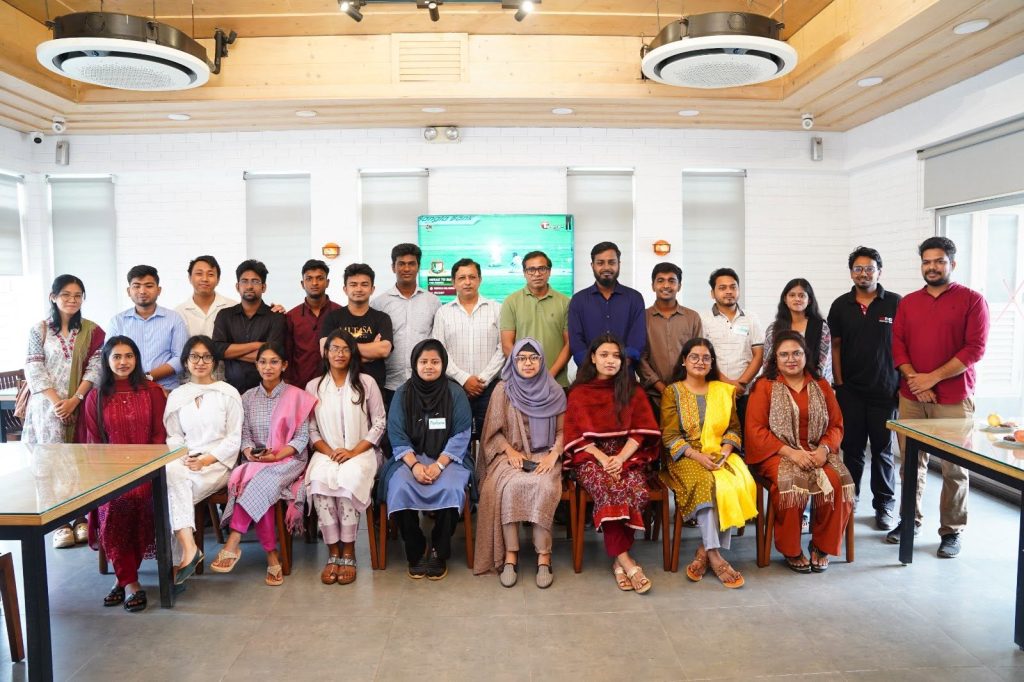
Four-Day Youth for CARE Training Strengthens Youth Leadership, Climate Knowledge, Renewable Energy Awareness, and Facilitation Skills Across Bangladesh
Young Climate Action Network (YOUCAN) is proud to have participated in the Master Training of Trainers on Environment, Climate and Renewable Energy for Bangladesh, organised by The Earth Society under the Youth for CARE project, held from 17–20 May 2026.
The four-day intensive training brought together representatives from 10 youth organisations across five divisions of Bangladesh, creating a collaborative learning environment focused on strengthening youth leadership, deepening climate and environmental knowledge, promoting renewable energy awareness, and developing the practical skills needed to engage and mobilise young people.
The programme also emphasised facilitation, digital engagement, and collective action, recognising the important role youth-led organisations can play in advancing climate awareness and supporting a just, sustainable, and climate-resilient future.
For YOUCAN, participation in this initiative reflects its continued commitment to empowering young people with the knowledge, skills, and confidence needed to contribute meaningfully to environmental advocacy and the transition towards a fossil-free Bangladesh.
Building Youth Leadership for Environmental and Climate Action
Young people are essential contributors to environmental protection and climate action. Their creativity, community connections, and ability to mobilise peers can help transform awareness into meaningful participation and practical initiatives.
However, effective youth leadership requires more than passion. Young people also need access to reliable information, opportunities for learning, practical leadership skills, and platforms where they can collaborate and develop solutions.
The Master Training of Trainers created an opportunity for participating youth organisations to strengthen these foundations. By bringing together organisations from different divisions, the programme encouraged shared learning and the exchange of perspectives on environmental challenges and opportunities for youth-led action.
Such capacity-building initiatives can help young leaders develop the confidence and practical abilities needed to engage communities, facilitate discussions, communicate environmental priorities, and encourage collective participation.
For YOUCAN, strengthening youth leadership is an important part of building a generation that can contribute to informed decision-making, environmental responsibility, and long-term climate action.
Strengthening Knowledge of Climate Change and Renewable Energy
Climate change and environmental degradation present interconnected challenges that require informed, coordinated responses. Improving public understanding of these issues is essential to encouraging sustainable practices and strengthening community engagement.
The training focused on environment, climate, and renewable energy, providing a shared platform for youth organisations to deepen their understanding of these interconnected areas.
Renewable energy is an important component of the transition towards a lower-carbon future. Expanding cleaner energy systems can create opportunities to reduce reliance on fossil fuels, encourage technological innovation, and support more sustainable development pathways.
At the same time, the energy transition must consider affordability, accessibility, livelihoods, and the needs of communities affected by changes in energy production and use.
By strengthening youth knowledge in these areas, capacity-building programmes can help young people communicate environmental issues more effectively, engage in informed advocacy, and contribute to discussions about sustainable energy and climate policy.
YOUCAN recognises that climate action becomes more meaningful when young people are equipped not only to understand the challenges but also to communicate their implications and encourage constructive responses.
Developing Trainers Who Can Multiply Impact
One of the important aspects of a Master Training of Trainers programme is its potential to extend learning beyond the original participants.
Training-of-trainers approaches help participants develop the knowledge and facilitation skills needed to share information with others. Rather than limiting the benefits of training to a single group, this approach can support the wider dissemination of knowledge through workshops, peer-learning activities, educational sessions, and community engagement.
For youth-led organisations, these skills are particularly valuable. Trained young people can help make climate and environmental information more accessible to their peers, educational institutions, and local communities.
Effective facilitation also encourages participation, dialogue, and collaborative problem-solving. It enables young people to create learning environments in which participants can ask questions, exchange experiences, and explore practical ways to address environmental challenges.
By strengthening facilitation and training capacities, the Youth for CARE initiative supports the potential for knowledge-sharing to reach beyond individual participants and contribute to broader youth engagement.
Digital Engagement and Collective Youth Action
Digital communication has become an important tool for environmental awareness, youth mobilisation, and advocacy. Social media and other digital platforms can help organisations share information, communicate campaign messages, connect with wider audiences, and encourage participation in environmental initiatives.
The training included a focus on digital engagement, recognising the value of communication skills in strengthening youth-led action.
When used effectively, digital platforms can help make climate information more accessible and provide opportunities for young people to share local experiences, highlight environmental concerns, and promote sustainable practices.
However, meaningful engagement also depends on the ability to communicate responsibly, present information clearly, and connect online awareness with constructive action.
The programme’s emphasis on digital engagement, alongside leadership and facilitation, reflected the importance of equipping youth organisations with a range of complementary skills. Together, these capabilities can help young people build stronger networks, collaborate across geographical boundaries, and mobilise collective action.
Connecting Youth Organisations Across Bangladesh
The participation of 10 youth organisations from five divisions was a significant feature of the four-day programme. Bringing together organisations from different parts of Bangladesh created opportunities for participants to exchange ideas, learn from different experiences, and strengthen connections across the youth climate movement.
Environmental challenges can vary between communities and regions. Different local contexts may bring different priorities, experiences, and approaches to climate action. Collaboration among youth organisations can therefore help broaden understanding and encourage the sharing of practical knowledge.
Networks built through capacity-building initiatives can also support future cooperation, joint awareness activities, peer learning, and coordinated advocacy.
For YOUCAN, engagement with other youth organisations is an important opportunity to strengthen collective efforts towards environmental sustainability and climate resilience. A connected youth movement can help amplify young people’s voices and encourage more coordinated action on shared challenges.
Advancing a Just and Fossil-Free Future for Bangladesh
The training’s emphasis on collective action towards a climate-resilient and fossil-free Bangladesh reflects the importance of connecting environmental goals with inclusive development.
Moving towards a sustainable energy system requires more than technological change. It also calls for public awareness, effective planning, investment in cleaner energy, and consideration of the people and communities affected by the transition.
A just transition seeks to ensure that progress towards environmental sustainability is accompanied by fairness, inclusion, and attention to livelihoods and economic opportunities. Young people have an important role in advocating for these principles and helping ensure that future generations are considered in decisions made today.
Youth-led organisations can contribute by raising awareness, facilitating community discussions, sharing evidence-based information, and encouraging meaningful participation in climate and energy policymaking.
YOUCAN remains committed to supporting youth leadership and promoting approaches to climate action that recognise the importance of environmental integrity, social equity, and sustainable development.
YOUCAN’s Commitment to Continuous Learning and Collaboration
YOUCAN believes that effective climate advocacy depends on continuous learning, strong leadership, and collaboration with organisations and individuals working towards shared environmental goals.
Participation in the Master Training of Trainers provided an opportunity to engage with a wider youth capacity-building initiative focused on climate knowledge, renewable energy, facilitation, digital engagement, and collective action.
The skills and connections developed through such programmes can help strengthen the capacity of youth-led organisations to communicate their messages, engage communities, and contribute to environmental initiatives.
YOUCAN appreciates The Earth Society for organising the training under the Youth for CARE project and for supporting opportunities that strengthen youth participation in environmental and climate action.
The organisation looks forward to continuing its work with young people and relevant stakeholders to promote climate awareness, renewable energy, environmental justice, and a more inclusive approach to sustainable development.
Looking Ahead: Turning Knowledge into Action
The four-day Master Training of Trainers highlighted the value of investing in young people’s knowledge, leadership, and practical skills. By connecting youth organisations across five divisions, the initiative created a shared space for learning and collaboration around some of Bangladesh’s most pressing environmental priorities.
The next step is to translate learning into practice—through peer education, community engagement, digital advocacy, collaborative initiatives, and continued participation in climate and energy discussions.
YOUCAN remains committed to contributing to these efforts and supporting young people as they develop the skills and confidence to become informed advocates, effective facilitators, and active contributors to a sustainable future.
A climate-resilient and fossil-free Bangladesh requires informed young people, capable youth organisations, and collective action. By investing in youth leadership and sharing knowledge across communities, we can help turn environmental awareness into lasting change for people and the planet.
YOU CAN CHANGE THE WORLD.
For more : https://www.facebook.com/share/1ZG4qes5mZ/