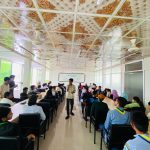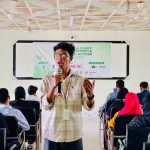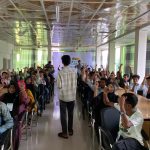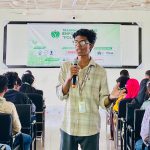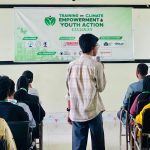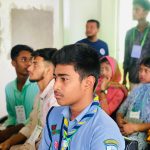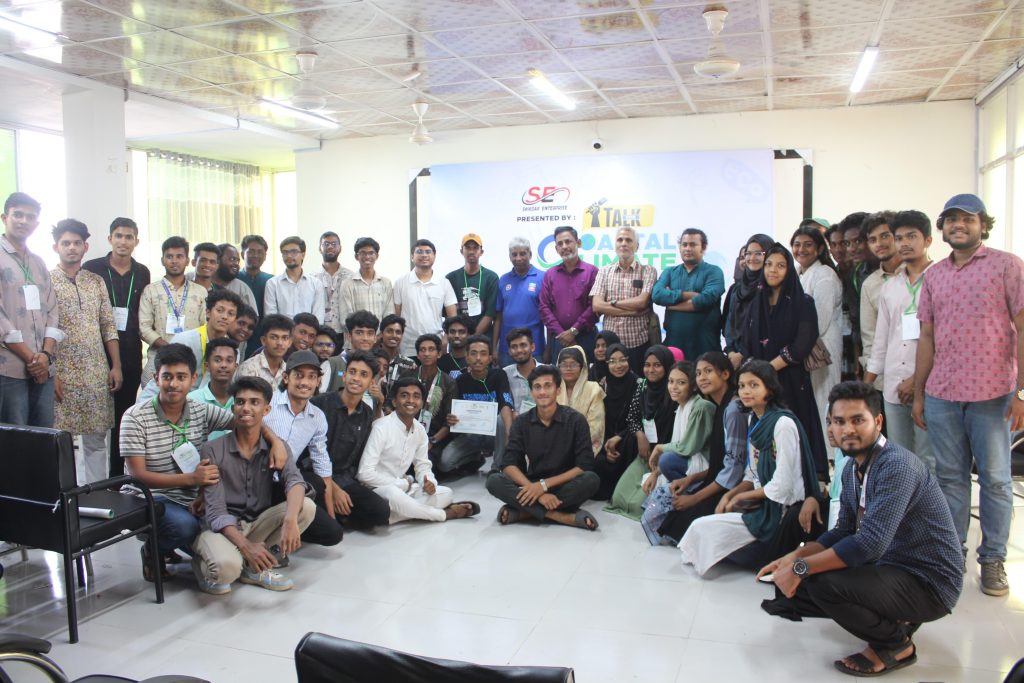
Barguna, May 16, 2025 – In the face of intensifying climate impacts in Bangladesh’s coastal belt, a high-impact Youth Training on Climate Empowerment and Action was held in Barguna, engaging over 80 youth leaders from every upazila of the district. This full-day immersive program aimed to build grassroots climate leadership, enhance youth capacity, and ignite localized solutions for climate justice and resilience.
Organized by Durbar Youth Network, Green Peace Youth Development Society, and AJA, with support from SANGRAM NGO and Shikdar Enterprise, the event was strategically partnered by the Young Climate Action Network (YOUCAN).
The training was facilitated by prominent youth climate advocate Yudhishtir Chandra Biswas, Executive Director of YOUCAN, alongside Saidur Rahman Siam, Founder of Brighters, and Fariha S Aumi, Chair of Brighters. Their combined leadership ensured a dynamic and engaging experience for participants from the most climate-vulnerable regions of southern Bangladesh.
Core Focus Areas:
-
Understanding climate justice and loss & damage from a youth perspective
-
Strengthening youth leadership for inclusive and equitable climate solutions
-
Empowering participants to co-develop community-based adaptation strategies
-
Promoting networking, collaboration, and intergenerational dialogue
Through participatory sessions, group planning, and strategic dialogue, participants gained critical knowledge on climate governance, local vulnerability mapping, and grassroots advocacy. The training methodology integrated case studies, scenario simulations, and action planning to ensure both awareness and actionable outcomes.
“Leadership is not inherited—it is cultivated through collective learning, local action, and sustained conviction,” said Yudhishtir Chandra Biswas, underscoring the urgency of empowering youth from the frontlines. “This training planted the seeds of a climate movement rooted in coastal communities.”
A Forward-Looking Vision
Organizers emphasized that the program marks a significant step in decentralizing climate action, recognizing youth not only as stakeholders but as frontline solution-holders. The training positioned participants to serve as local climate ambassadors and agents of change within their communities.
As the climate crisis escalates, initiatives like this reflect the growing momentum behind youth-led, locally rooted, and justice-centered approaches to adaptation and resilience-building across Bangladesh.